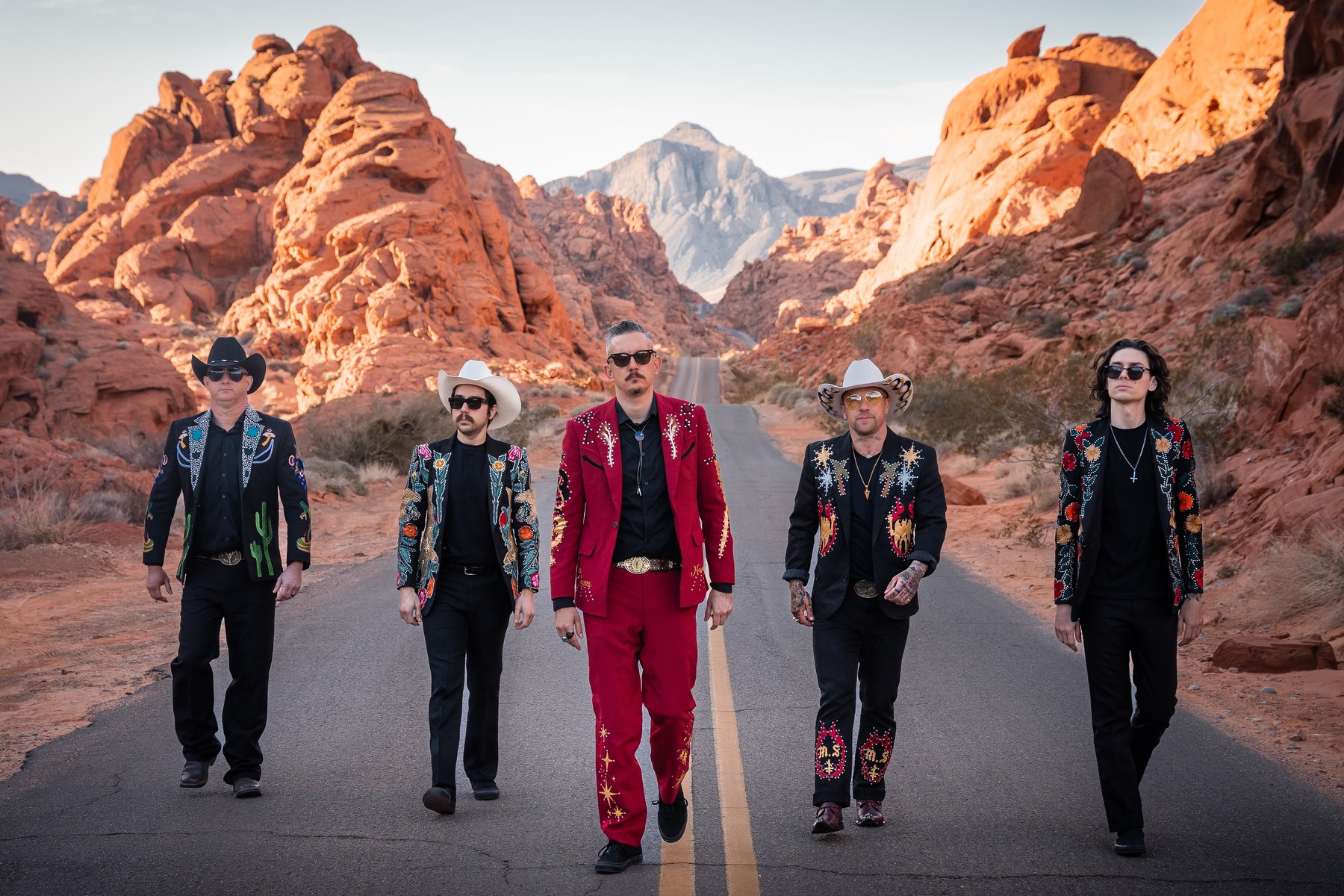
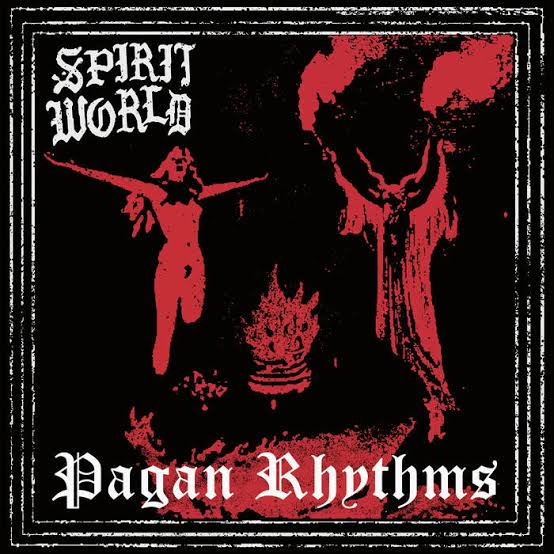
When Stu Folsom brought me the demos that became Pagan Rhythms, there wasn't a conventional band walking into the studio ready to make a record.
There was a vision. A collection of meticulously written demos. A fictional universe. Westerns, horror, hardcore, thrash, death metal and country music all smashed together into something that didn't really have a blueprint.
The question wasn't how do we record this band.
How do we make this thing real?
What We Did
Stu and I approached Pagan Rhythms more like making a movie than documenting a band. He brought the songs, the ideas, the aesthetic, the entire world he'd imagined. My job was to take that material and aggressively rework it: rebuilding arrangements, refining the ideas, and figuring out what every song actually needed to become real.
Production on this record meant deciding what needed to exist, who needed to play it, and how all of those pieces had to fit together. If we could play it ourselves, we played it. If the material demanded a specific kind of player, I brought one in and directed exactly what I needed from them.
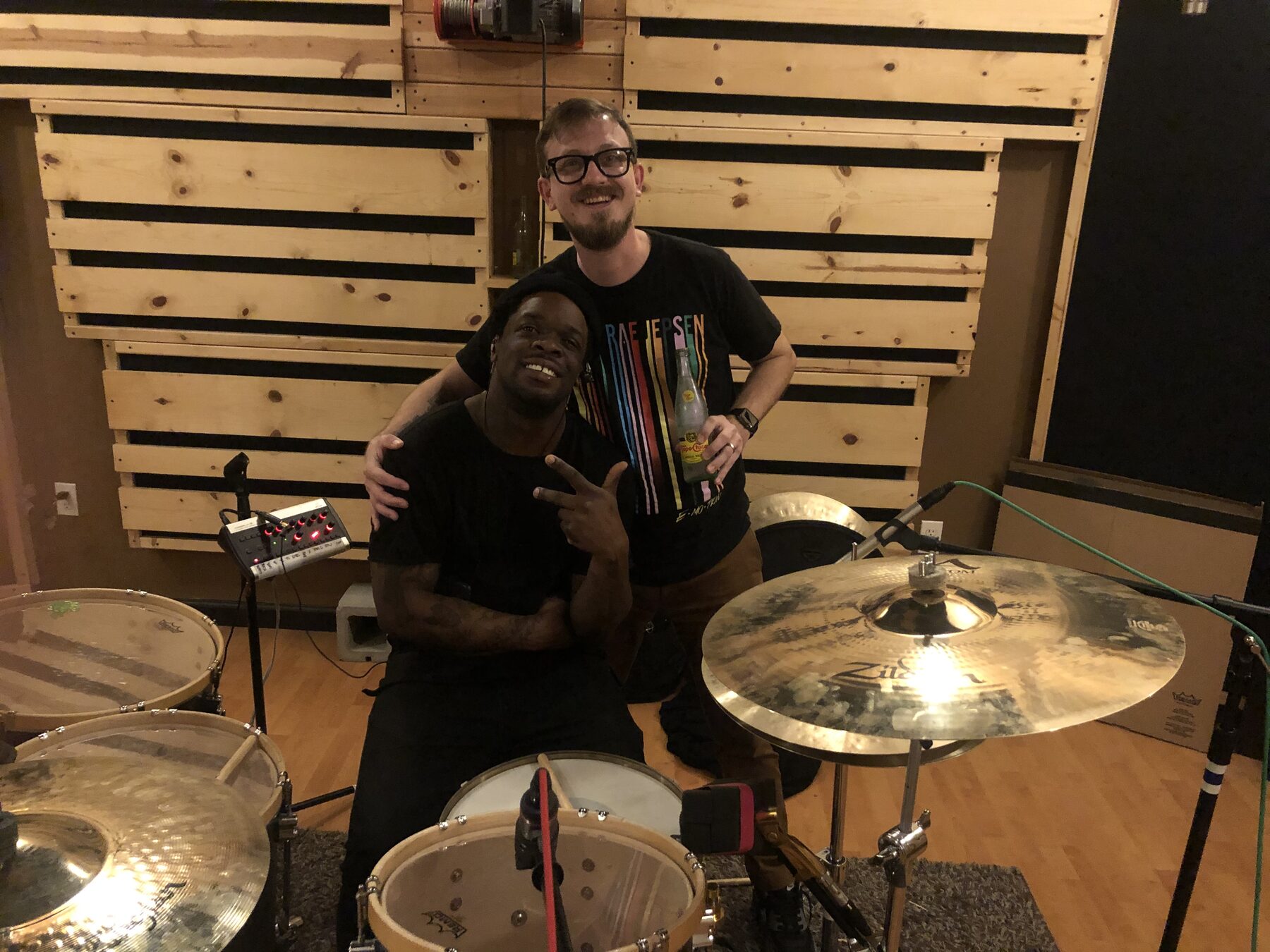
I produced, engineered, mixed, and mastered the record, and played guitar, bass, and additional vocals throughout. For lead guitar, I brought in Randy Moore, who later went on to play in Ghost's live band. For drums, I brought in Thomas Pridgen, known for his work with The Mars Volta and Suicidal Tendencies. I reworked and rearranged the drum parts before the sessions, then directed Thomas through the performances we needed for the record.
It wasn't documentation. It was world-building: arrangements, tones, performances, personnel, and production, all organized around turning Stu's original vision into something fully realized.
Then People Started Paying Attention
Pagan Rhythms was initially released independently in 2020. There was no major-label machine behind it. But the record started spreading anyway.
Then Century Media called. The label signed SpiritWorld and re-released Pagan Rhythms worldwide.
We made a weird, uncompromising record ourselves, released it, and it became undeniable enough that a major metal label came looking for it.
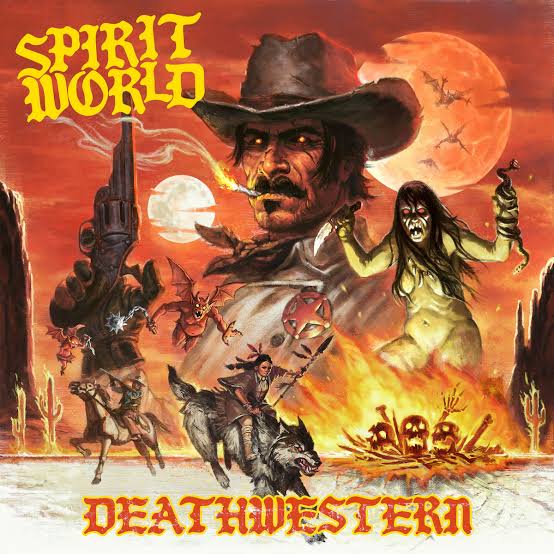
Deathwestern
Pagan Rhythms proved the idea could work. Deathwestern was about making the entire thing bigger, heavier, more confident, and more fully itself.
I produced, engineered, and mixed the record, and played guitar and bass throughout.
"Sam shares the same 'no compromise' approach to making records that I do."
Then The Project Became A Band
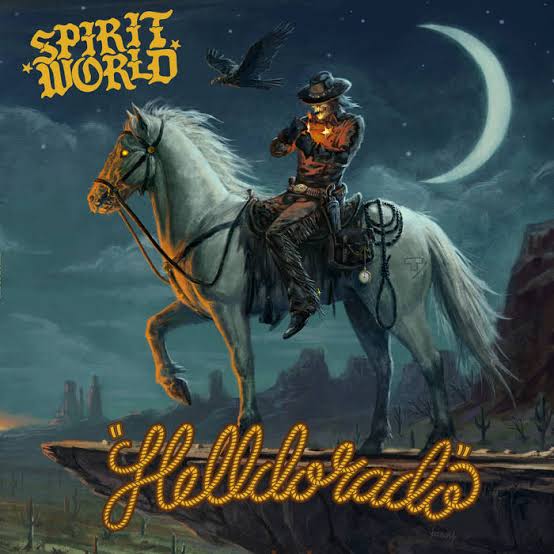
By the time SpiritWorld came back for Helldorado, something had changed.
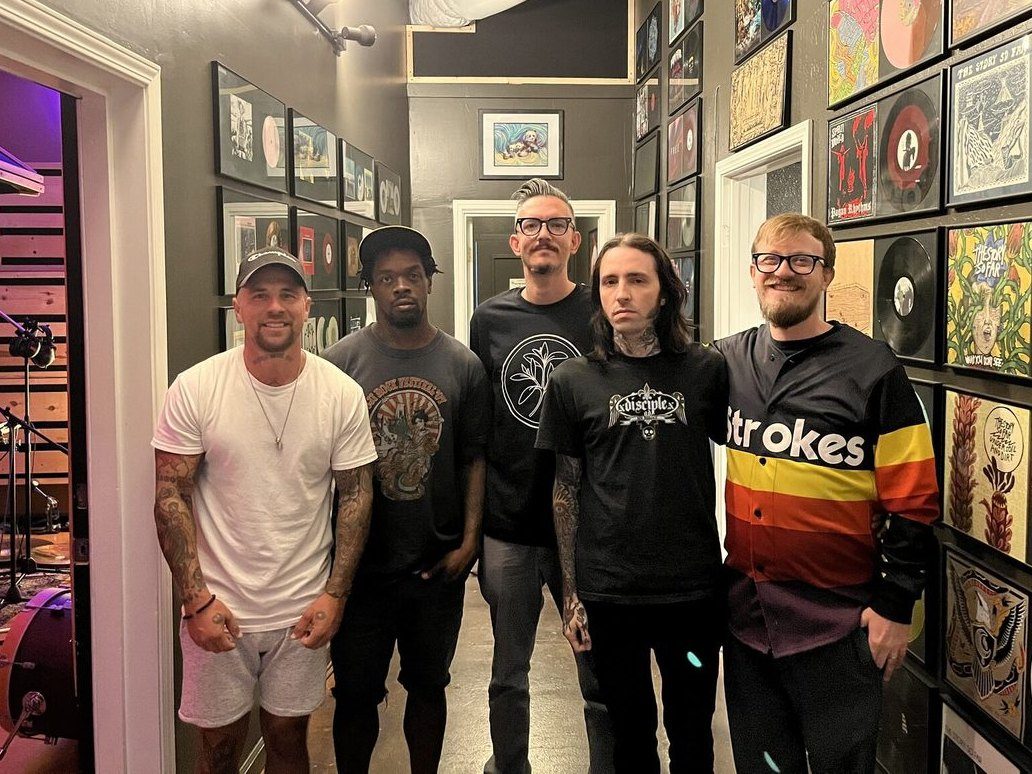
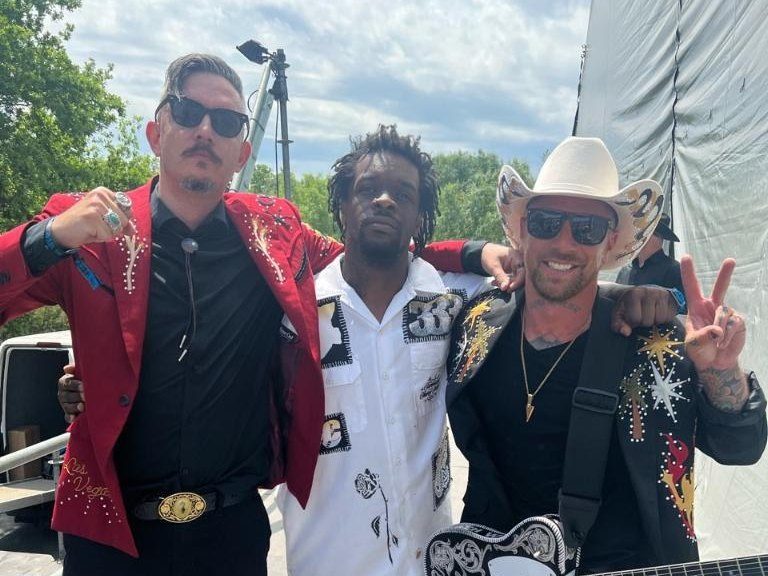
This was no longer Stu bringing a project into the studio and me assembling the musical pieces around it. Years of touring had turned SpiritWorld into an actual functioning band, with a consistent lineup and chemistry built from playing together night after night.
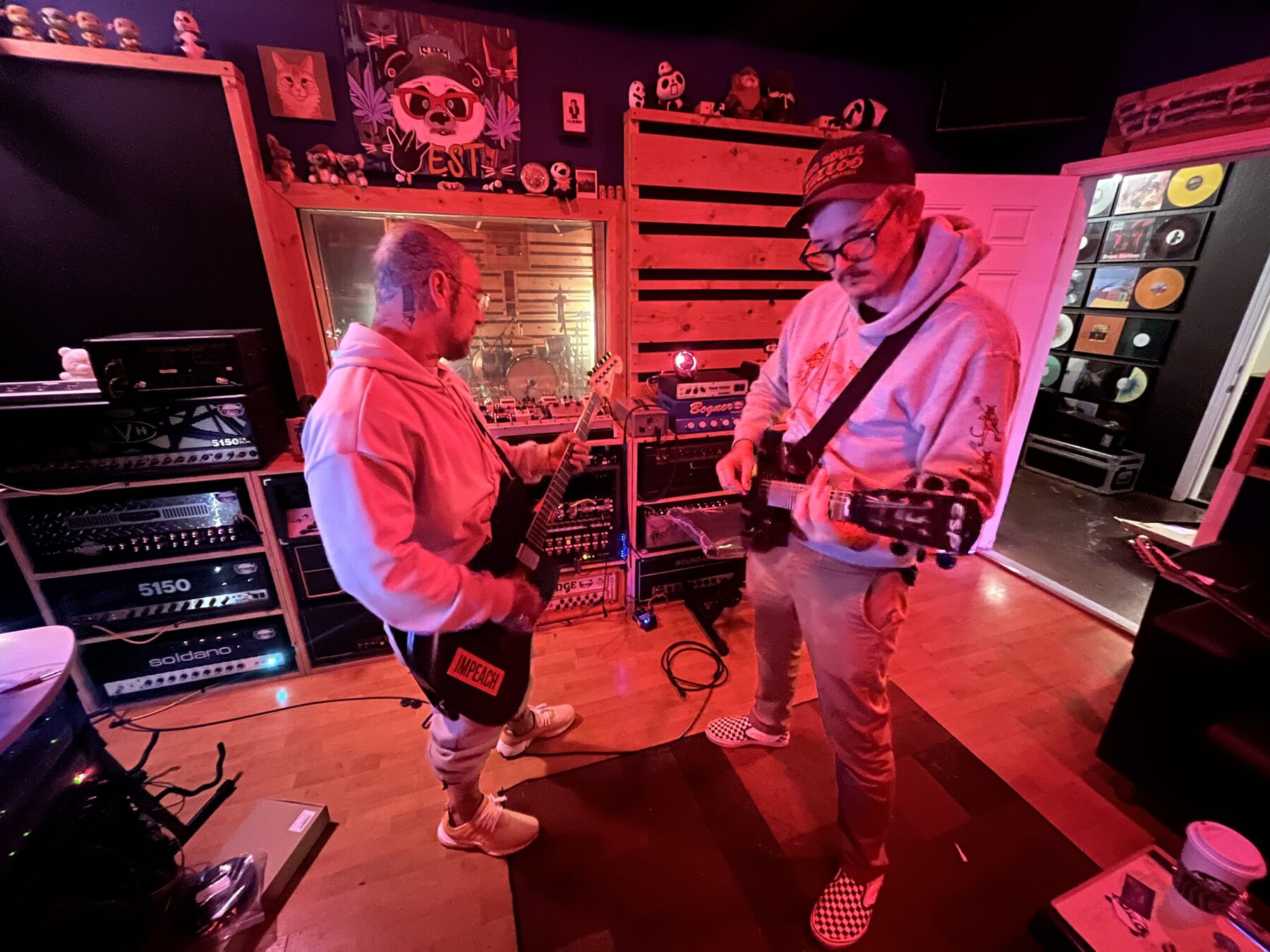
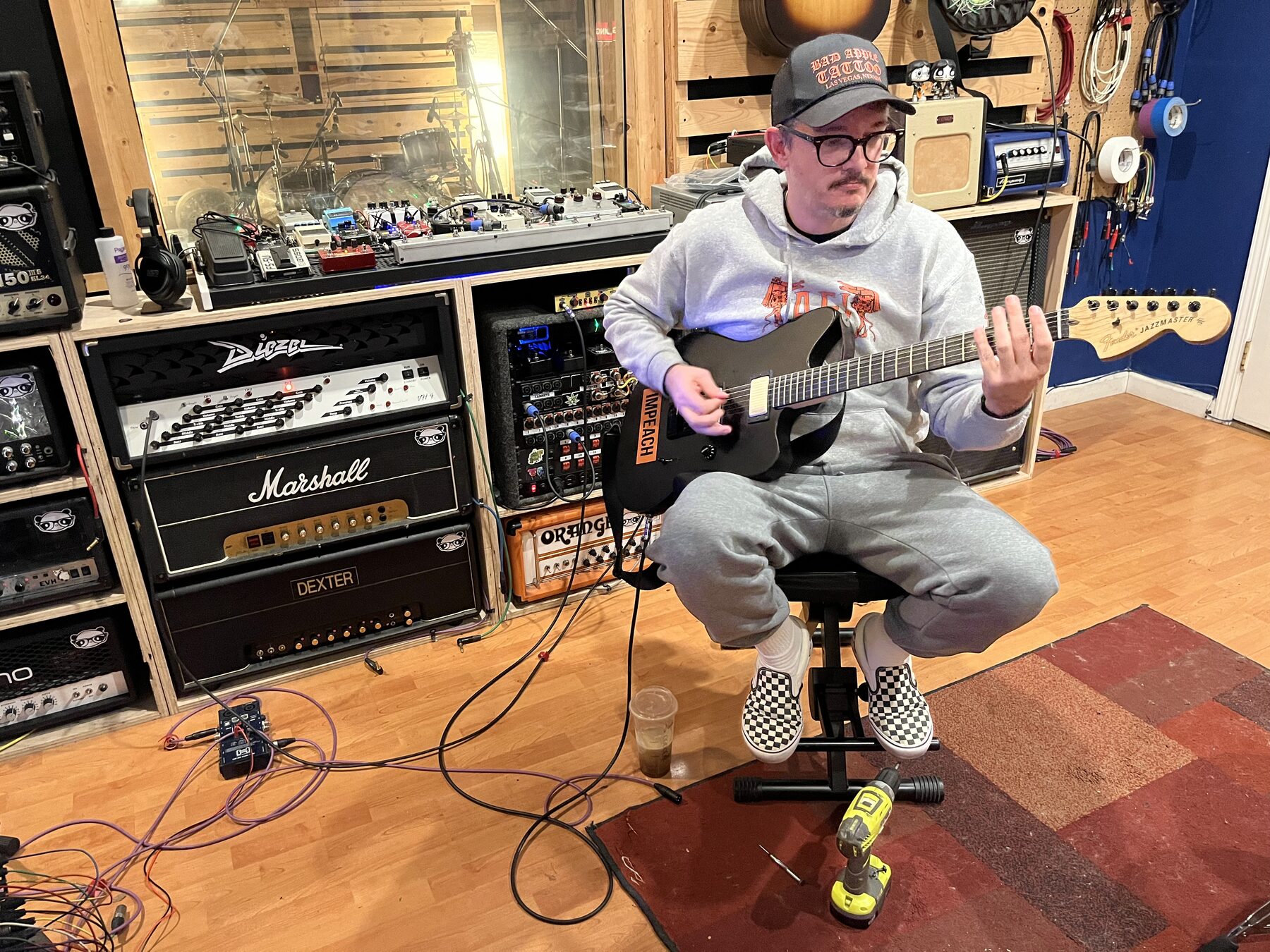
SpiritWorld took most of 2024 off from touring specifically to come back to The Panda Studios and make another record together. I produced, engineered, and mixed the record, and played guitar and bass throughout, same as before. But this time I was producing an established band, not building the musical pieces around a vision from scratch.
I wasn't any less involved. The nature of the involvement changed because SpiritWorld itself had evolved. A good production process has to evolve when the band evolves.
So The Universe Kept Growing
Pagan Rhythms self-release → Century Media → DEATHWESTERN → HELLDORADO.
Three records together. Not three attempts to repeat the same formula.
The project changed. The lineup changed. The production approach changed. The universe kept expanding.
A Self-Release Became A Career.
One self-release became a label deal, a touring band, three albums, and a piece of software.
Most records stop when the master is delivered. This one kept becoming new things.
That's what I mean by building the whole thing.
And Then The Record Became A Product
The guitar sounds we built for Deathwestern were too good to just disappear inside a finished record.
And I happened to own an audio software company.
So before the album even came out, I turned the actual amp chain from the record into a Purafied Audio plugin, named it DEATHWESTERN, priced it at $6.66, and built the release around the album.
Instead of letting the sound disappear inside the finished album, I turned it into something other musicians could actually use.
It extended the life of the production beyond the record itself and connected SpiritWorld, Panda, Purafied, and my work as a producer into the same ecosystem.
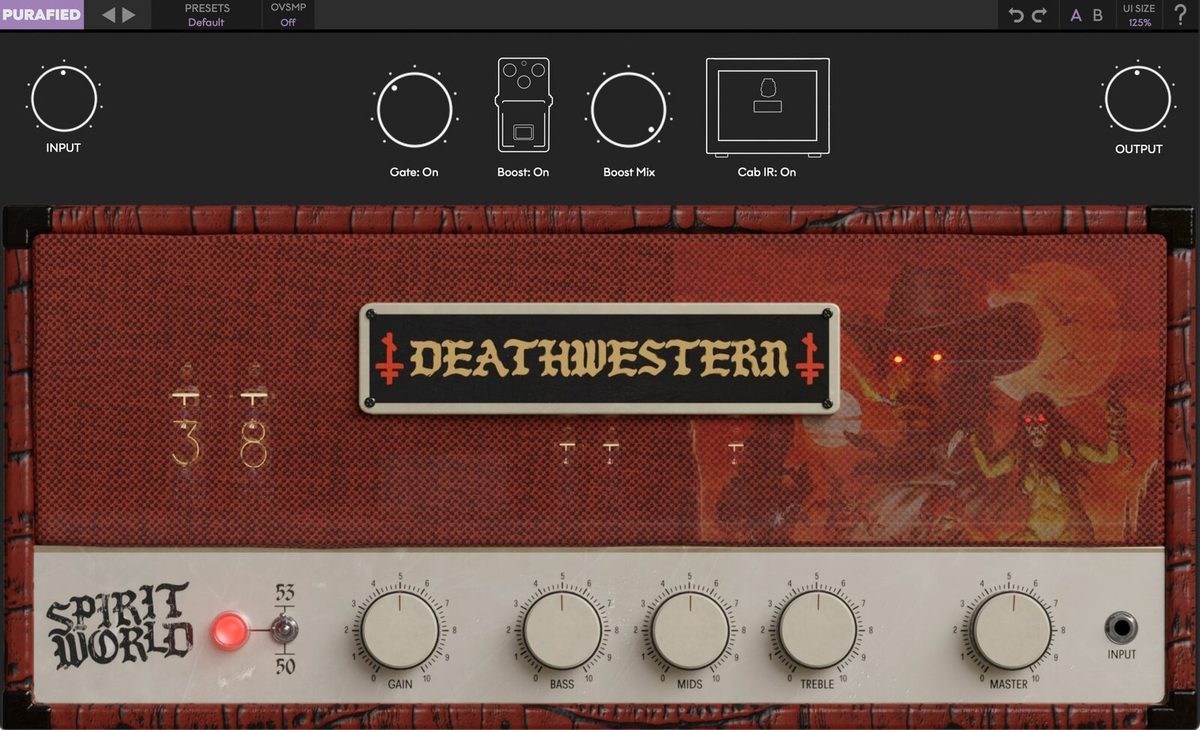
Purafied eventually grew to more than 200,000 customers, which means a production decision we made inside The Panda Studios became a piece of software sitting on computers around the world with the DEATHWESTERN name permanently attached to it.
That wasn't an accident, and it wasn't a licensing opportunity somebody brought to me afterward. I built it that way on purpose.
Demos → record → band → label deal → touring → three-album universe → audio software.
I build weird things. Then I build the thing that keeps them spreading.
Stu brought me an idea too ambitious to treat like a normal band making a normal album, and I never treated it like one. Three records, a label deal, a touring band, and a piece of software later, it's still the same job it was on day one: figure out what the thing actually needs, then go build it.
Sometimes I don't just help make the record. I help build the entire thing around it.